
Awning Windows in Irving, TX
Weather-resistant ventilation that works in any climate. Awning windows open outward from the top, creating a protective canopy that welcomes fresh air while keeping Texas rain outside.
Get StartedVentilate your Irving home during any weather
Awning windows solve a problem every Irving homeowner faces: how to maintain ventilation during unexpected rain showers without water pouring into your home. These ingenious windows are hinged at the top and open outward from the bottom, creating an awning-like shield that deflects rain while allowing air circulation. It's a simple mechanical solution that delivers remarkable practicality.
This unique operating style makes awning windows ideal for Texas bathrooms where moisture control is critical. Leave them open during showers to exhaust humid air—even if it starts raining mid-shower, water stays outside while steam escapes. The result: reduced mildew, eliminated mirror fog, and improved bathroom air quality without relying solely on noisy exhaust fans.
Irving's unpredictable spring weather makes awning windows particularly valuable. Those sudden afternoon thunderstorms won't catch you off guard—your windows remain open, continuing to ventilate your home while rain sheets harmlessly off the extended sash. You're no longer racing through the house closing windows when storm clouds appear.
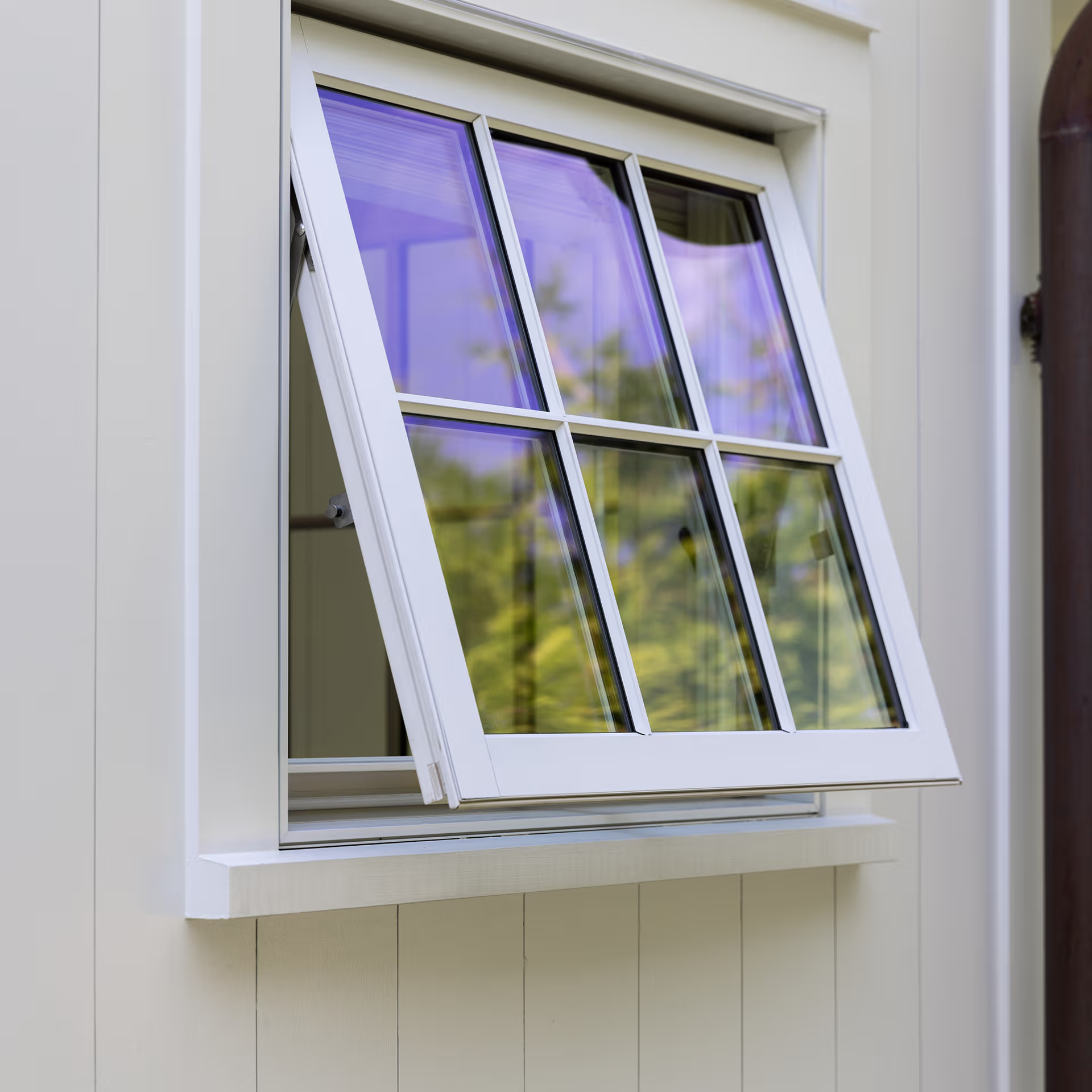
Perfect applications for awning windows
Bathroom Ventilation
Install above tubs or in shower areas for continuous ventilation. Moisture escapes efficiently while privacy remains intact. Frosted or textured glass options provide full privacy without sacrificing the awning window's functional advantages.
Above Entry Doors
Transom-style awning windows above front or back doors add architectural interest while improving entryway ventilation. Natural light floods your foyer without compromising security or requiring door operation for airflow.
Basement Windows
High-mounted awning windows bring daylight into Irving basements while the bottom-hinged design prevents rain infiltration. Leave them open year-round to combat basement mustiness—a persistent challenge in below-grade spaces.
Stacked Combinations
Stack awning windows vertically to create striking window walls. Each operates independently, giving you precise ventilation control. This contemporary design approach maximizes both daylight and architectural impact in modern Irving homes.
Security and privacy advantages
Awning windows offer security benefits for ground-level and accessible window locations. When opened, the outward-projecting sash creates a physical barrier that deters intruders far more effectively than sliding windows. An open awning window cannot be silently slid wider from outside—any tampering produces obvious movement and noise alerting occupants.
The bottom-hinged design also provides inherent privacy for Irving bathrooms and bedrooms. Position the window high on the wall and open it for ventilation while maintaining complete visual privacy from outside. Neighbors and passersby cannot see into the room even with the window fully open—a significant advantage for homes on compact lots.
Multi-point locking mechanisms on quality awning windows engage at multiple locations around the frame, creating exceptional seal compression and security. These locks resist forced entry better than traditional window latches, giving you peace of mind whether you're home or away from your Irving property.
Combining awning windows with other styles
Picture Window Combinations
Place an awning window below a large fixed picture window to create stunning window walls with practical ventilation. The picture window provides expansive views and maximum daylight while the lower awning window introduces fresh air circulation. This combination appears frequently in contemporary Irving home designs where floor-to-ceiling glass is desired but full operability isn't necessary.
Casement Window Pairings
Stack an awning window above casement windows to maximize ventilation potential. This configuration allows warm air to escape through the top awning window while casement windows below draw in cooler air—creating effective natural convection cooling during pleasant Texas weather. The varied opening directions add visual interest to your Irving home's exterior.
Awning Windows questions Irving homeowners ask
Are awning windows a good fit for my Irving home?
Awning windows hinge at the top and open outward, perfect for ventilation during light Texas rain. Common in Irving bathrooms, kitchens, and Las Colinas mid-rise units where high-set ventilation matters, awning windows routinely solve problems that other configurations leave on the table. We'll evaluate your existing openings, the structural rough-opening sizes, and the orientation of each elevation before recommending the right product. The right answer often involves running awning windows on some elevations and a different style on others, and we'll show you why.
How long do awning windows last in Irving's climate?
A properly installed awning windows should give you 25 to 40 years of service in Irving's climate, depending on frame material and exposure. Vinyl typically lands in the lower end of that range; fiberglass and aluminum-clad frames often hit the upper end. UV exposure on west-facing elevations is the biggest stressor, so frame finish quality and Low-E glass selection both factor into longevity. Manufacturer warranties register limited lifetime on frame and IGU for most premium product lines.
What energy benefits do awning windows deliver?
When the existing windows are original aluminum-framed singles or first-generation dual-pane, replacing with current-generation awning windows carrying a Low-E366 coating and argon fill typically delivers a measurable reduction on the next Oncor bill. The biggest gains show up on south- and west-facing elevations where the late-afternoon sun load is heaviest. We'll model the projected savings using your actual kWh history during the consultation.
How long does the install take?
A standard awning windows replacement takes about 45 to 90 minutes per opening once the old unit is removed, depending on the configuration and any structural surprises in the rough opening. A whole-home Irving project of 12 to 18 openings runs two to three working days from demo to final cleanup. We protect floors with rosin paper, drape furniture in 6-mil plastic, run dust collection on every indoor cut, and HEPA vacuum at the end of each shift.
Do you provide written, itemized pricing?
Always. Every Irving proposal lists each window with size, configuration, frame material, exterior and interior finish, hardware, screen, and glass package. Installation labor, removal and disposal of the old units, and warranty terms are spelled out separately. There are no broker commissions tucked into the proposal, and you can take the quote home, get competitive bids, and decide on your own timeline.
Ready to improve your Irving home's ventilation?
Contact us to discuss awning window options for your specific applications. We'll recommend sizes, materials, and placement strategies that optimize both function and aesthetics.